

On February 28, 2026, Snowflake (NYSE: SNOW) released its Q4 and full-year FY2026 earnings. What should have been a celebratory beat quickly turned into a nightmare: the stock plummeted 18.14% the next day, closing at $188.28 after opening near $230. Within days, law firms flooded the market with notices urging shareholders to come forward. By March 5, 2026, the calls for a class action were deafening. This wasn’t just another earnings hiccup—it was a perfect storm of missed profitability guidance, questions around AI monetization hype, and a sudden loss of investor trust. Yet amid the chaos, Snowflake’s underlying business remains formidable. This cautionary yet balanced guide walks you through the Snowflake class action 2026, the SNOW stock plunge facts, your options, and why long-term holders may still see this as a temporary squall rather than a shipwreck.
Timeline of the Storm: From Earnings Beat to Class Action Frenzy
The sequence unfolded with textbook precision. Here’s the key chronology based on SEC filings and public announcements:
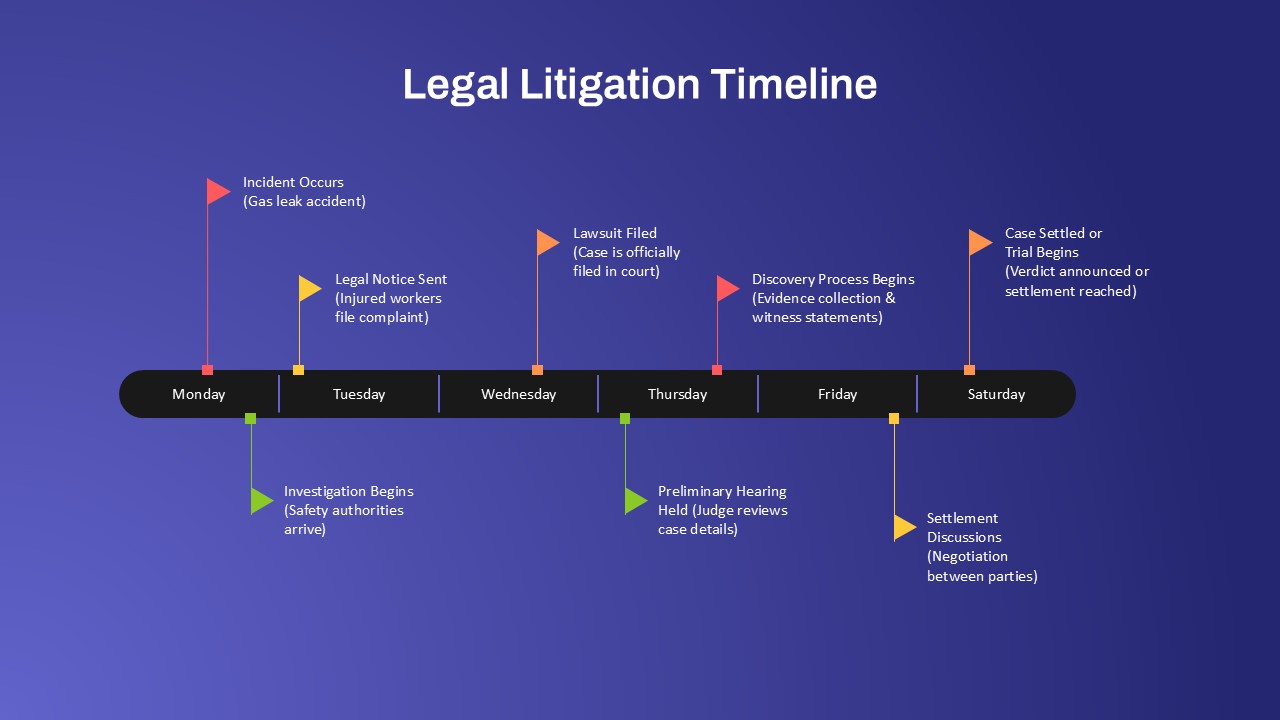
Legal Litigation Timeline PowerPoint Slide Template – SlideKit
Legal Litigation Timeline (adapted for Snowflake events):
- February 28, 2026 — Q4 earnings released: $1.28 billion revenue (30% YoY beat), but non-GAAP operating margin came in at ~8–10% versus analyst expectations closer to 12%.
- February 29, 2026 — Stock drops 18.14% ($41.72) to $188.28 on heavy volume.
- March 3–5, 2026 — Multiple firms (Robbins Geller, Gross Law, Kaplan Fox, Bernstein Liebhard) announce investigations and solicit lead plaintiffs.
- March 10, 2026 — Formal complaint filed in Patel v. Snowflake Inc., No. 26-cv-01613 (N.D. Cal.).
- April 27, 2026 — Lead plaintiff deadline.
This rapid escalation mirrors classic securities litigation patterns where a sharp post-earnings drop triggers immediate lawyer activity.
The Allegations: Margin Misses, AI Hype Discrepancies, and Misleading Guidance
The core of the Snowflake class action 2026 centers on whether executives painted an overly rosy picture of profitability and AI growth during the class period (roughly mid-2023 through February 2026). Filings allege:
- Margin shortfalls: Non-GAAP operating margin landed around 8% in Q4 versus the 12% many analysts modeled after prior commentary. Critics say forward-looking statements failed to flag headwinds from AI infrastructure spend and product efficiency changes.
- AI monetization discrepancies: Heavy promotion of Cortex AI and related tools allegedly overstated near-term revenue impact while downplaying consumption slowdowns from new pricing tiers and Iceberg Tables.
- Revenue context: The $1.28 billion quarterly beat was overshadowed by these profitability gaps, leading plaintiffs to claim the market was misled about sustainable AI-driven growth.
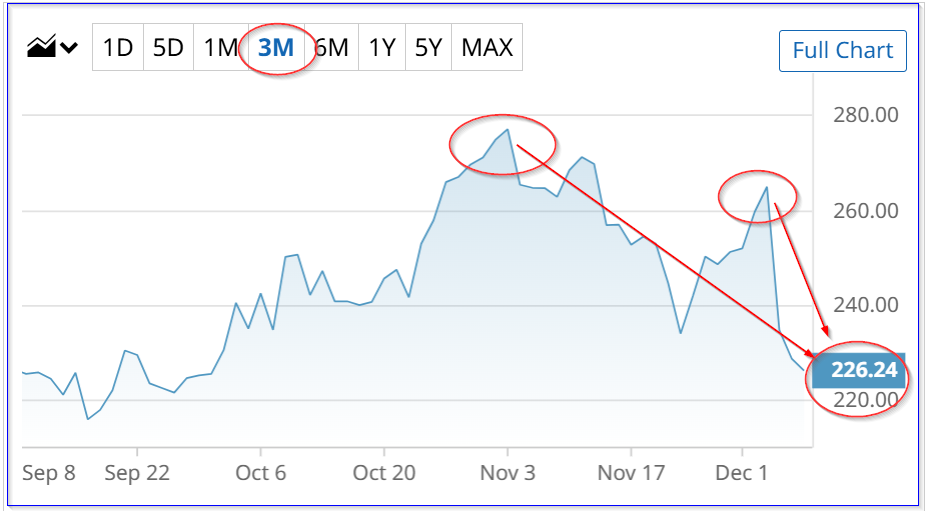
Snowflake Stock is Down But Its FCF Margin Guidance Could Lead to a 22% Higher Price Target
The chart above captures the brutal 3-month plunge that erased earlier gains and triggered the litigation.
No one disputes the revenue strength—product revenue grew 30% YoY, RPO hit record levels, and AI account adoption exceeded 9,100. But the disconnect between top-line beats and bottom-line delivery is what plaintiffs are hammering.
Balancing the Scales: Why Snowflake’s Long-Term Value Remains Intact
Before panic-selling, consider the counter-narrative. Snowflake delivered over 430 new capabilities in FY2026, including Cortex advancements that now power petabyte-scale LLM workloads. Net revenue retention sits above 125%, multi-cloud neutrality remains a moat, and FY2027 guidance still calls for 27% product revenue growth to ~$5.66 billion with operating margins expanding toward 12.5%. The $400 million mega-deal closed in February underscores enterprise confidence. In short, the fundamentals that attracted investors in the first place—AI Data Cloud leadership—are stronger than ever. The SNOW stock plunge reflects short-term sentiment, not structural failure. Many analysts still view current levels (12x forward P/S) as a compelling entry for patient capital.
What Shareholders Should Do: Practical Recovery Steps and SEC Monitoring
If you held SNOW shares between June 2023 and February 28, 2026, and suffered losses, here are actionable steps:
- Document your position — Gather trade confirmations showing purchase dates and share counts.
- Contact a securities firm — Firms like Robbins Geller, Gross Law, or Kaplan Fox are actively seeking lead plaintiffs (deadline April 27, 2026). No cost to participate.
- Monitor SEC filings — Watch EDGAR for amendments to the complaint and any company responses. Set alerts on snowflake.com/investors and sec.gov.
- Evaluate your options — You can join the class (automatic if you qualify) or opt out to pursue individual claims. Most choose the class for zero upfront cost.
- Consult a securities attorney — Personalized advice is essential; do not rely solely on this post.
Remember: Joining does not guarantee recovery, but it costs nothing to stay informed.
Lessons from AI Stock Volatility: What This Means for Your Portfolio
The Snowflake class action 2026 episode is a textbook reminder that AI stocks can swing wildly. Hype cycles drive valuations up; any hint of execution friction sends them crashing. Yet history shows these dips often precede multi-year rebounds when fundamentals prevail. Key takeaways:
- Separate revenue strength from margin noise.
- Diversify AI exposure beyond single names.
- Use volatility as a buying filter rather than a panic trigger.

Are AI Stocks In A Bubble? Here’s What The Data Says. | Investor’s Business Daily
This AI volatility chart illustrates how dramatic swings have defined the sector—yet survivors like Snowflake continue to innovate through the noise.
Final Word: Stay Informed, Protect Your Rights, and Keep Perspective
The March 2026 class action storm is real and warrants attention. The SNOW stock plunge hurt portfolios, and the allegations deserve scrutiny. At the same time, Snowflake’s 430+ innovations, $1.28 billion revenue engine, and AI leadership position it for long-term outperformance once the dust settles. Don’t let fear dictate decisions—knowledge does.
If you believe you may have losses, consult a qualified securities attorney or one of the active firms immediately. Time is critical before the April 27, 2026 lead plaintiff deadline. Stay vigilant, monitor SEC updates, and remember: even in the storm, the AI Data Cloud horizon remains bright.